The Sageo Blog
Ideas on building teams that scale
Practical, honest writing for founders and people leaders. Four series on how you concentrate talent, structure your organization, turn culture into something you can measure, and hire the C-suite.
Talent Density
Why the concentration of exceptional people, not headcount, decides how fast your company moves.

Talent Density
You Don't Have a Hiring Problem. You Have a Talent Density Problem.
Your company is not understaffed. It is under-concentrated.
Read more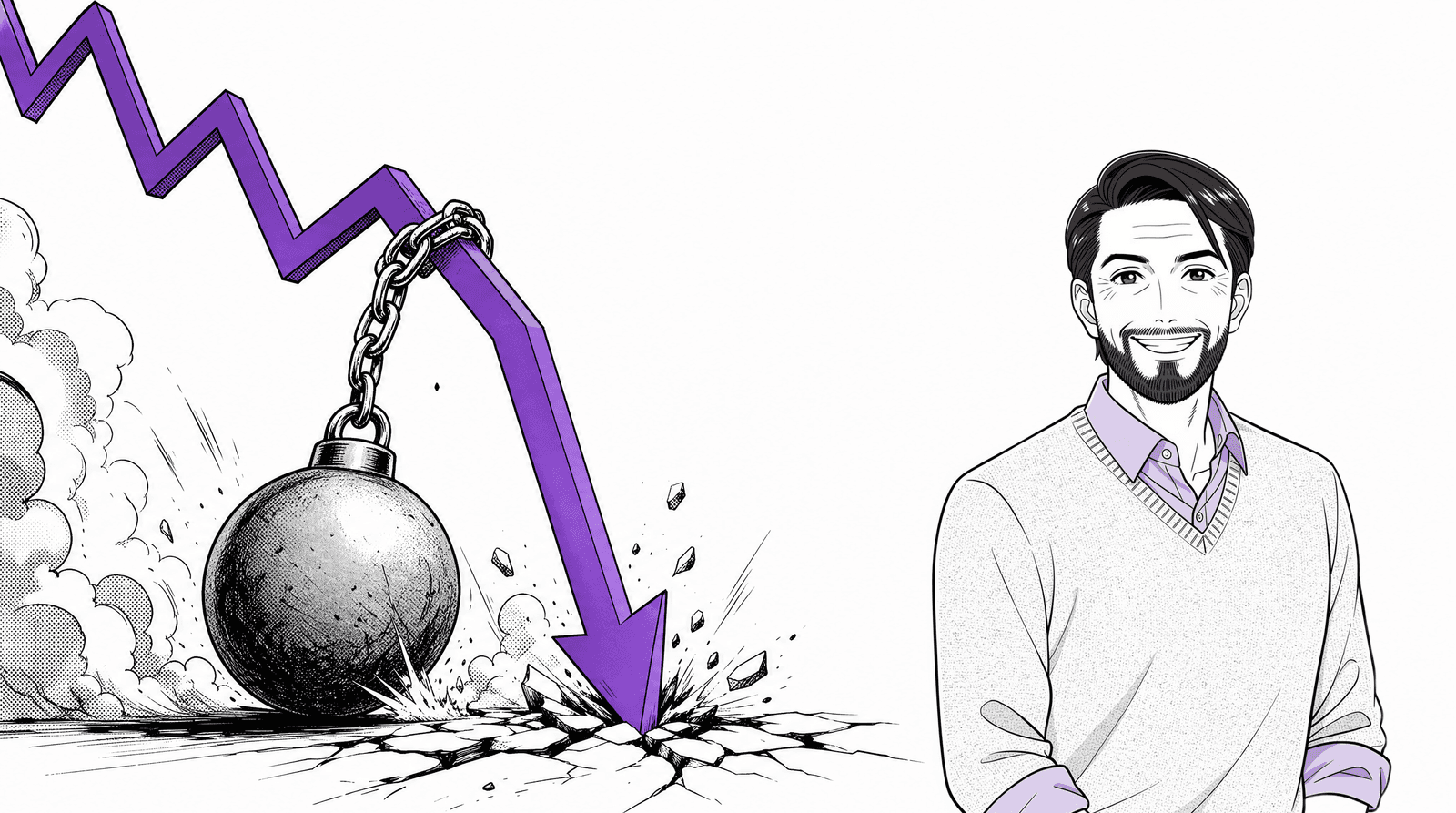
Talent Density
Mediocrity Doesn't Show Up on Your Balance Sheet. But You're Paying for It Every Day.
The invisible tax every growing company is paying.
Read more
Talent Density
The Best Hire You'll Ever Make Is Not on Any Job Board Right Now.
Elite people are not applying to your jobs.
Read more
Talent Density
Your Performance Review System Was Designed for a Different Stage.
Performance reviews are broken because of the assumption.
Read more
Talent Density
The Best Teams Are Not Fearless. They Are Safe to Fail and Driven to Win.
High standards and psychological safety are not opposites.
Read moreOrganization Structure
How to design roles, layers and accountability so you scale without breaking.

Organization Structure
Role Ambiguity Isn't a Soft Problem. It's a P&L Problem.
Founders treat role ambiguity as friction to sort out later. The data says it is already showing up in your output, your retention, and your bottom line.
Read more
Organization Structure
Strategic Org Design Isn't an HR Exercise. It's How You Scale Without Breaking.
Most founders build their org chart around the team they have and the problems they are dealing with today. The companies that scale without breaking build it around the company they are becoming.
Read more
Organization Structure
Flat Structure Isn't a Culture Choice. It's a Math Problem With a Deadline.
Every flat organization is flat by choice, until the math takes the choice away. The breaking point is not a feeling or a vibe shift. It is a number, and most teams cross it without noticing.
Read more
Organization Structure
Accountability Isn't a Personality Trait. It's a Structural Decision.
When something falls through the cracks, the instinct is to ask who dropped the ball. The better question is who, specifically, was ever holding it.
Read more
Organization Structure
The Five Non-Negotiables of Scaling Without Breaking
Scaling does not break companies on its own. The absence of structure does. Here is what has to be true before you accelerate, and what has to stay true no matter how big you get.
Read moreCompetency and Culture
Seven posts on turning culture into something you can measure, reward, and act on.

Competency and Culture
Your Performance Reviews Measure Your Managers, Not Your People
62% of a performance rating reflects the person giving it. Here is why ratings drift, and how calibration makes them fair again.
Read more
Competency and Culture
Your Best Performer Might Be Your Most Expensive Hire
A toxic culture predicts attrition 10 times more strongly than pay. How to spot a brilliant jerk, and how to score the how as well as the what.
Read more
Competency and Culture
Your Values Don't Fail on the Wall. They Fail in the Review.
Integrity is the most common company value, and it predicts nothing. How to turn values into behaviours managers can see and rate.
Read more
Competency and Culture
"Not a Culture Fit" Is the Most Expensive Sentence in Hiring
Researchers filmed 30 hours of real job interviews. "Not a fit" often meant "not like the interviewer." How to hire for culture add instead.
Read more
Competency and Culture
Never Discuss the Raise and the Growth Plan in the Same Meeting
Once the salary number enters the room, the feedback stops landing. Why pay and development conversations belong in separate meetings.
Read more
Competency and Culture
Calibration Isn't Bureaucracy. It's the Only Honest Part of Your Review.
More raters will not fix unreliable ratings. Evidence-based calibration will. What a good session looks like, and how to avoid forced ranking.
Read more
Competency and Culture
The Most Popular Competency Library Has 38 Competencies. Your 100-Person Company Needs Fewer Than 10.
Enterprise competency libraries run to 38 items or more. A growing company needs fewer than 10. How to choose them, and how to spot bloat.
Read moreCXO Hiring Playbook
Five posts on the most consequential C-suite hiring decisions a scaling company will make, and the frameworks that take the guesswork out of each one.
CXO Hiring Playbook
When You Need a CXO Isn't the Same Question for Every Role. It's Eight Different Answers.
The stage-gate triggers for all eight C-suite roles, CTO, CFO, CMO, COO, CRO, CPO, CHRO, and CSO, based on practitioner evidence from SaaStr, Forbes Finance Council, and Deloitte. Includes an interactive CXO Timing Reference.
Read more
CXO Hiring Playbook
Your First CXO Hire Isn't Bad Luck. It's a Predictable Mistake, Six Times Over.
The six patterns that cause first executive hires to fail across every C-suite function, from hiring for the wrong stage to skipping board alignment. Includes a scored self-diagnostic.
Read more
CXO Hiring Playbook
Winning a CXO Isn't About Your Bank Balance. It's About What the Next Chapter of Their Career Looks Like.
The three pillars that close senior executives at Series A to C companies, mission, autonomy, and career trajectory, plus a 90-day integration planner covering all eight CXO roles across three phases.
Read more
CXO Hiring Playbook
A Fractional CXO Isn't a Smaller Hire. It's a Smarter One for the Right Stage.
The data-backed case for fractional leadership as a strategic model, 55x market growth, Gartner adoption projections, and 74% lower risk data, plus where each CXO function delivers the most value fractionally, and how to design engagements for maximum impact.
Read more
CXO Hiring Playbook
Promoting Your Best Functional Expert Before They're Ready Isn't a Reward. It's a Double Loss.
The Peter Principle applied to C-suite promotions: the four capability shifts from expert to executive, the real cost of a premature promotion, how the double loss shows up across CTO, CFO, and CMO functions, the dual-career ladder model, and a five-question readiness assessment.
Read more